
Start with curiosity rather than a promised wildlife sighting
If your family enjoys looking closely at ordinary places, Forest City's coast can prompt a conversation about the life beneath shallow water. The useful question is not whether you can collect something for a photograph. It is what a coastal habitat does, and how to leave it undisturbed. This is a learning idea, not a guided field route or a promise that you will see particular plants or animals.
Seagrass and seaweed are not the same thing
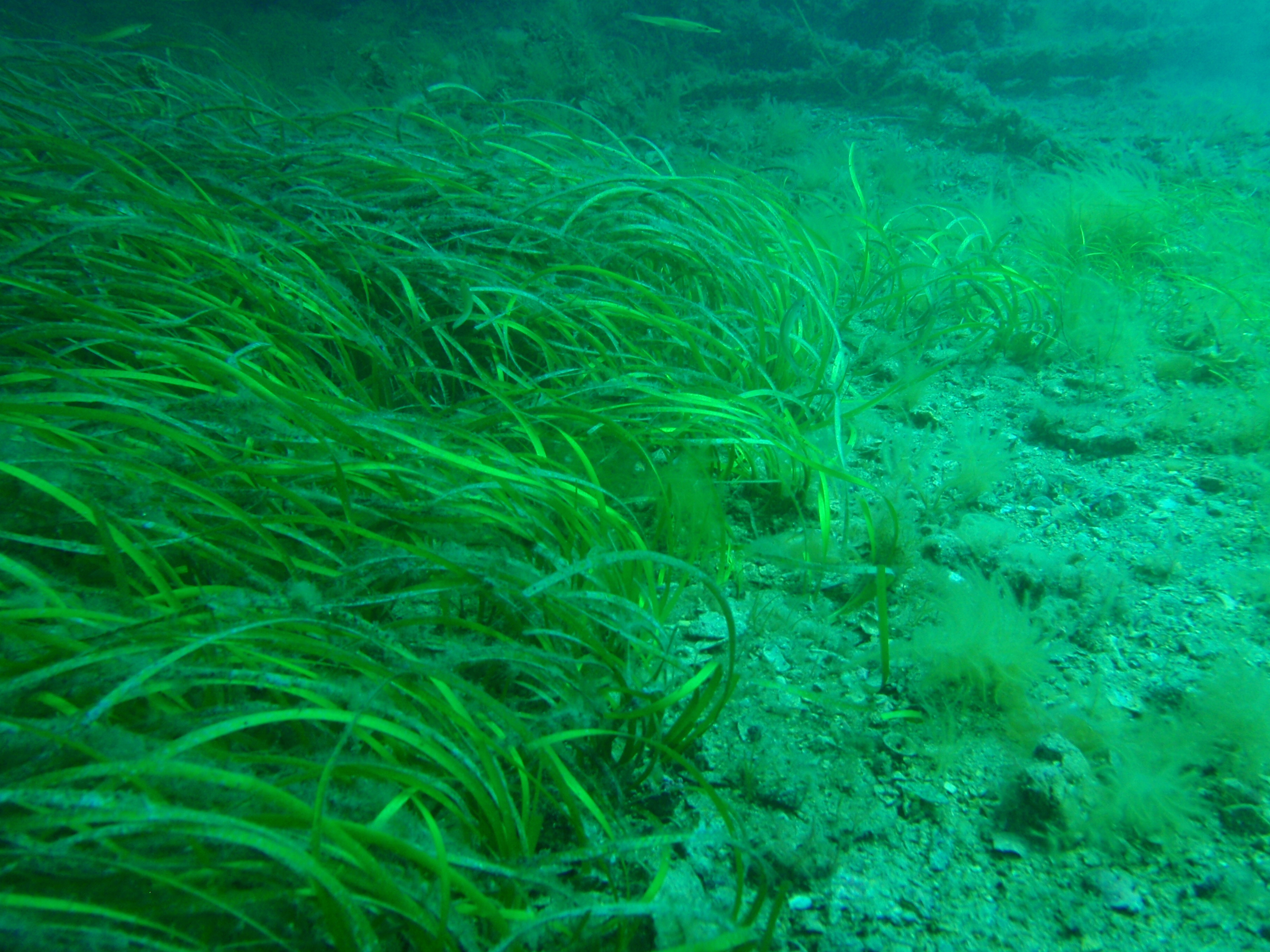
Seagrasses are marine flowering plants; seaweeds are algae. Woods Hole explains that seagrasses have roots extending into the seabed, whereas seaweed is a different group. A green shape seen from a path is not enough for a visitor to identify a species. Use a reliable illustration or an educator's explanation to learn the distinction, rather than pulling a plant out to inspect it.
Ask what the meadow does, not only what it looks like
UNEP describes seagrass habitats as places that support marine life and provide food and shelter. It also lists trampling among pressures on these habitats. An underwater meadow may look less dramatic than a landmark building, yet still matter. Ask children which other living things might depend on a habitat and what disturbance could change. These general ecological roles do not prove the health, extent or species composition of a particular Forest City patch today.
A historical Eco Museum report is a lead, not an opening notice
Forest City's report dated 17 October 2020 described its Eco Museum's first phase, including a seagrass conservation area, exhibitions and ecological education. It establishes a local history of this subject. It does not establish current public entry, classes, staffing or opening hours in October 2026. If a museum visit is central to your day, ask the venue for a current arrangement before travelling; do not build the itinerary around a six-year-old programme announcement.
Make a small observation exercise from an authorised public place
Before leaving home, let each person choose one question: how does a rooted marine plant differ from algae; why might young animals need shelter; or what makes a photograph insufficient to judge habitat condition? At a currently permitted public viewing place, discuss what you can genuinely observe and what remains unknown. Stay behind signs and barriers. Do not wade onto a meadow, lift plants or collect organisms for the exercise. If access or conditions do not suit, use the source material instead of searching for an unofficial route.
Who this suits, and how transport fits
This quieter idea suits people interested in ecology and conversation. It is a poor choice if the day requires guaranteed animal encounters, a booked class that has not been confirmed, or a specific marine photograph. After confirming the actual public venue or meeting point, use our Singapore-to-Forest-City route page to discuss road transport. A transfer booking does not grant habitat or museum access. Information checked 29 October 2026; the hero illustrates seagrass at Rapid Bay in South Australia, not Forest City or a current local survey.